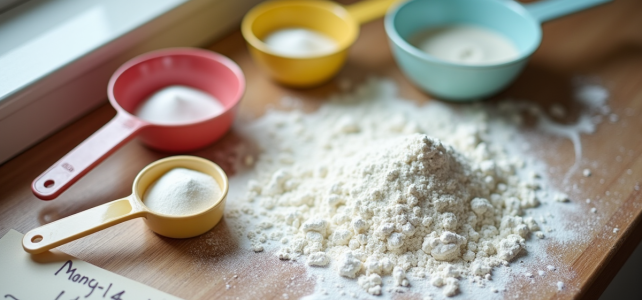
One centiliter equals ten milliliters. This obvious fact, however, does not protect against the pitfalls that lurk at the corner of the worktop. The differences in measurements between countries, the varying graduations from one measuring cup to another, can turn a recipe into a puzzle. You think you’re following it to the letter, but confusion creeps into the mixing bowl.
When a conversion goes awry, even slightly, the recipe takes an unexpected turn: dough too dense, cream too runny, flavor that fades. Milliliters and centiliters, so close in appearance, actually draw a decisive line. Ignoring it risks ruining the lightness of a mousse or the consistency of a sauce.
Why conversions between milliliters and centiliters often lead to errors in the kitchen
Converting from milliliters to centiliters is not just a matter of mental math. The differences in usage from one country to another, measuring cups with whimsical graduations, and ingrained habits all contribute to sowing doubt. A hasty gesture, a quick read, and the measurement strays from the correct amount. The difference between 50 ml and 50 cl, centiliters and not milliliters, can transform the outcome, disrupt a dough, or drown a sauce.
In many kitchens, there is no universal guide. Recipes refer to spoons, cups, mustard glasses, but rarely with consistency. This mix of units disorients anyone seeking precision, especially during a somewhat rushed milliliters-centiliters conversion. The risk of error looms: too much water, not enough binder, a texture that slips away.
To help you navigate, here’s a simple reminder to keep in mind:
- 1 centiliter corresponds to 10 milliliters
But old habits complicate matters. A measuring cup inherited from a grandmother does not always follow current standards. If you need to convert a precise volume, like 1.4 liters to cl, reliable resources like the page “1/4 liter to cl: simple conversion to avoid mistakes – Les Recettes Légères de Chrissy” come in handy. Above all, caution is essential when adapting an old recipe or a foreign version, where volumes do not always translate identically.
Chefs emphasize: equip yourself with reliable tools. A precise electronic scale, a visible conversion chart near the worktop, utensils with standardized measurements. Nothing complicated, but these habits save many disappointments and allow for stress-free success, even with the most meticulous recipes.
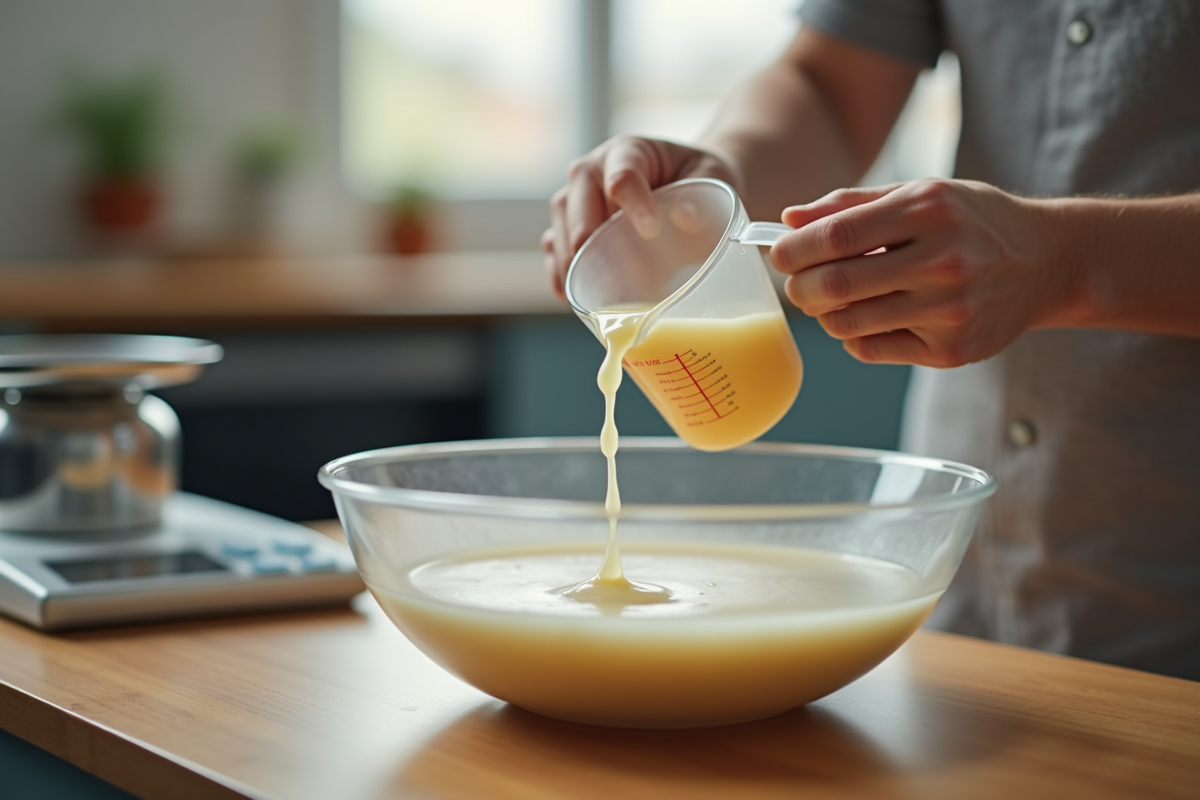
Understand and easily apply the ml ↔ cl conversion for recipes without unpleasant surprises
Converting milliliters to centiliters is the routine of a precise cook. Yet behind the simplicity of the numbers lies a demand for rigor. Remember the basic rule: 1 centiliter equals 10 milliliters. A detail that, if not mastered, changes the texture of a dough or the balance of a sauce.
These conversions require vigilance and method, especially in the face of the diversity of common units: cups, spoons, mustard glasses. To stay on track, jot down key values in a notebook or display a conversion chart in the kitchen.
- 1 cl = 10 ml
- 5 cl = 50 ml
- 25 cl = 250 ml
Modern utensils offer clear and readable graduations, but experience shows that errors often arise from a quick read or a confusion of units. For liquids, grab the appropriate measuring cup, check the graduation, and take the time to measure. This simple reflex avoids improvisation and ensures consistency in results, recipe after recipe.
Before adding an ingredient, always check the correspondences. The practical tips are sometimes the most obvious: reread the recipe, check the measurement, ensure the consistency of the dosage. These gestures, accessible to everyone, guarantee smooth conversions and precision, for dishes that deliver on their promises with every attempt.
In the kitchen, every milliliter counts. The attention paid to these details makes the difference between a mundane dish and a memorable plate. With enough rigor, conversions no longer become a trap but a mastered reflex, and cooking becomes a playground where precision is savored.