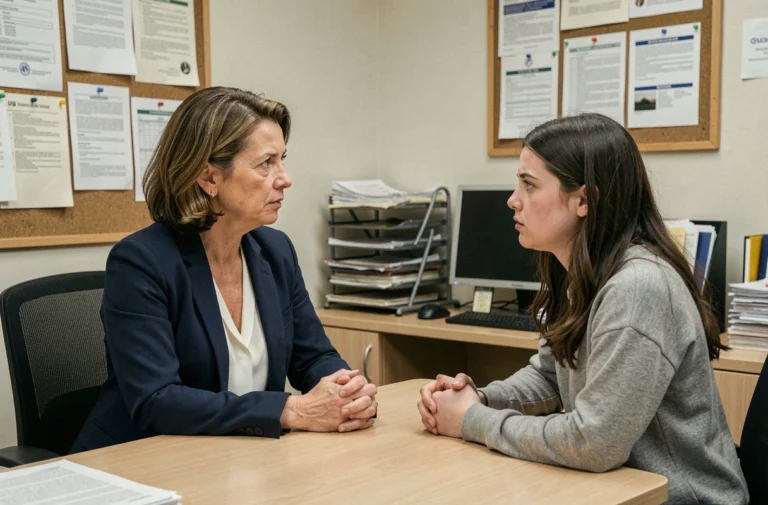
One country, two identical diplomas, two diametrically opposed realities. While in France the law still restricts the nurses’ scope of practice, their Swiss or Canadian counterparts diagnose, prescribe, and perform unimaginable actions on this side of the border. The training, however, shares the same foundation, proving that everything is played out elsewhere. Behind this disparity, the pressure continues to intensify: the world is short on caregivers, administrative tasks are piling up, and the scope of action is expanding rapidly. While official discourse struggles to grasp the complexity of the field, reality imposes itself, stubborn, nuanced, and rarely taken into account when it comes to debating the daily life of nurses.
Why nurses are essential pillars of the healthcare sector
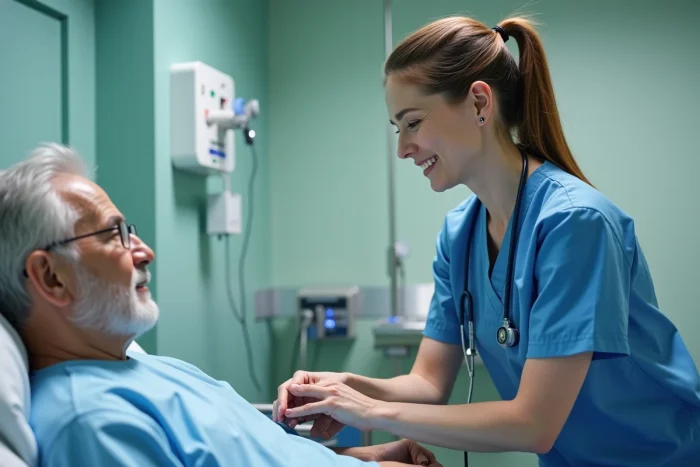
In the hospital landscape or at the heart of community care, nurses occupy an irreplaceable position. Without them, the care chain breaks down: they support, reassure, perform technical procedures, and ensure patient safety, all while remaining attentive to their needs. At the intersection of care, connection, and expertise, their presence guarantees the coherence of the health journey. They act as a bridge between doctors, families, and patients, often at the interface where everything happens.
Their know-how is not improvised. It relies on solid training, but also on the experience accumulated over time. Assessing, anticipating, coordinating: these missions shape their daily lives and condition the fluidity of teamwork. On the Bee Healthy website, a page deciphers the structuring role and the concrete responsibilities that fall to these professionals, the backbone of a strained healthcare system.
In practice, within a team, the nurse stands out for her ability to spot the slightest change in condition, to detect what others might overlook, and to alert without delay. She juggles treatment management, bedside monitoring, prevention, and education. This profession does not simply apply procedures: it requires constant vigilance, defending the dignity of the patient, and preserving the humanity of care even in routine.
What are the essential responsibilities and skills in daily practice?
On the ground, nursing practice does not stop at technical acts. It requires a keen sense of priorities, risk anticipation, and the ability to face emergencies without ever sacrificing the quality of care. Caring daily means combining scientific rigor with the nuances of human contact, blending attentive listening with the precision of protocols.
Their scope of action is broad: administering treatments, close monitoring, coordinating with all stakeholders, but also an essential educational dimension with the patient. Explaining, reassuring, teaching the right gestures, preventing relapse: this educational aspect structures long-term support.
Here are the key skills that mark their daily lives:
- Communication: flawless information transmission, sharing alerts, and managing complex situations rely on this ongoing exchange. It is the foundation of a cohesive team and a climate of trust.
- Decision-making: on the front line, the nurse analyzes, chooses, acts, often in emergencies. Her overall view of the patient guides each intervention.
- Stress management and prevention of burnout: pressure, emotions, and the intensity of days require solid self-control and the ability to bounce back.
At every step, ethics draws the red line: confidentiality, responsibility towards the order, commitment to continuous improvement of practices. In a constantly evolving sector, the rise of advanced practice offers new leeway and reinforces a long-awaited autonomy.

Challenges, recognition, and perspectives: valuing the nursing profession today
The reality is a workload that overflows, sometimes reduced staffing, limited equipment, and unrelenting pressure. Behind the white coat, there is weariness, stress, and difficulty in maintaining a healthy work atmosphere. These challenges are not just organizational but question the collective ability to guarantee the quality and safety of care.
The feeling of not being recognized, neither in status nor in remuneration, erodes motivation. Yet, nurses are there at every step of the patient journey, pivotal in comprehensive care. Valuing the profession involves real access to continuing education, expanding skills, strengthening autonomy, but also a genuine change in perspective within the medical and institutional hierarchy.
To go further, several levers need to be activated:
- Invest in the quality and safety of care by supporting ongoing training and innovative practices.
- Prevent burnout by revising staffing organization and providing appropriate psychological support.
- Enhance institutional recognition, with decent working conditions and concrete career advancement prospects.
In healthcare, every detail counts: a gesture, an attention, a word. Nurses embody this fragile balance between technique and humanity. And if tomorrow, their place finally gained the full light it deserves?