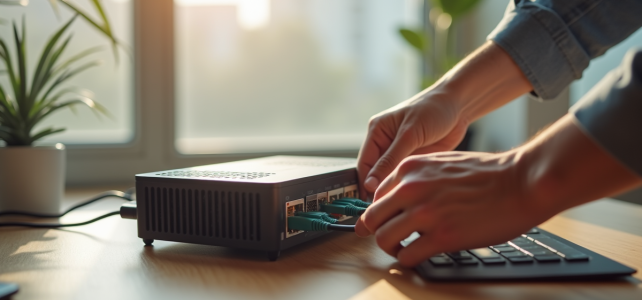
Changing the Wi-Fi channel manually? We often think we’re doing the right thing, but this hasty action can easily destabilize an entire setup. Activating both the 2.4 GHz and 5 GHz bands simultaneously without paying attention to the right settings opens the door to interference, unexpected disconnections, and those little annoyances that turn a streaming evening into a nightmare. And what about tinkering with the DHCP protocol? If not managed well, it can create chaos in the distribution of IP addresses, causing repeated connection drops.
Many modems come with fixed settings, sometimes ill-suited for our modern apartments or houses. Leaving these parameters untouched risks a sluggish connection, even with a brand new fiber offer.
Why your Wi-Fi connection is not as stable as hoped: common causes at home
Great promises are made about a stable internet connection, but daily life brings its share of surprises. Behind every network issue, there are many suspects:
- The layout of rooms, network traffic saturation, aging routers, or questionable choices made during equipment setup.
- Thick walls, concrete partitions, a box tucked away in a corner or too far from the connected devices: it doesn’t take much to weaken the wifi network.
The number of connected devices is skyrocketing: televisions, smartphones, speakers, consoles… All demand their share of bandwidth. As soon as the family indulges in streaming or video conferencing, the home connection comes under pressure. And if microwaves or baby monitors join the mix, the reliability of the signal takes a hit.
Managing frequency bands deserves serious attention. Some devices prefer the 2.4 GHz band, while others swear by the 5 GHz. Poorly distributed, your devices may experience slowdowns or disconnections. It’s tempting to blame the internet provider, but the reality often lies elsewhere: choice of location, modem settings, attention to detail. To achieve optimal coverage, place the router in an open area, away from bulky furniture or unnecessary obstacles.
To easily access settings and keep an eye on connected devices, visit the my modem page. There you will find tools to monitor the status of the wifi network, adjust your setup, and identify issues before they escalate. A well-thought-out digital environment, an adjusted configuration, and vigilance regarding the number of connected users: stability doesn’t rely on a miracle, but on these concrete actions, too often overlooked.
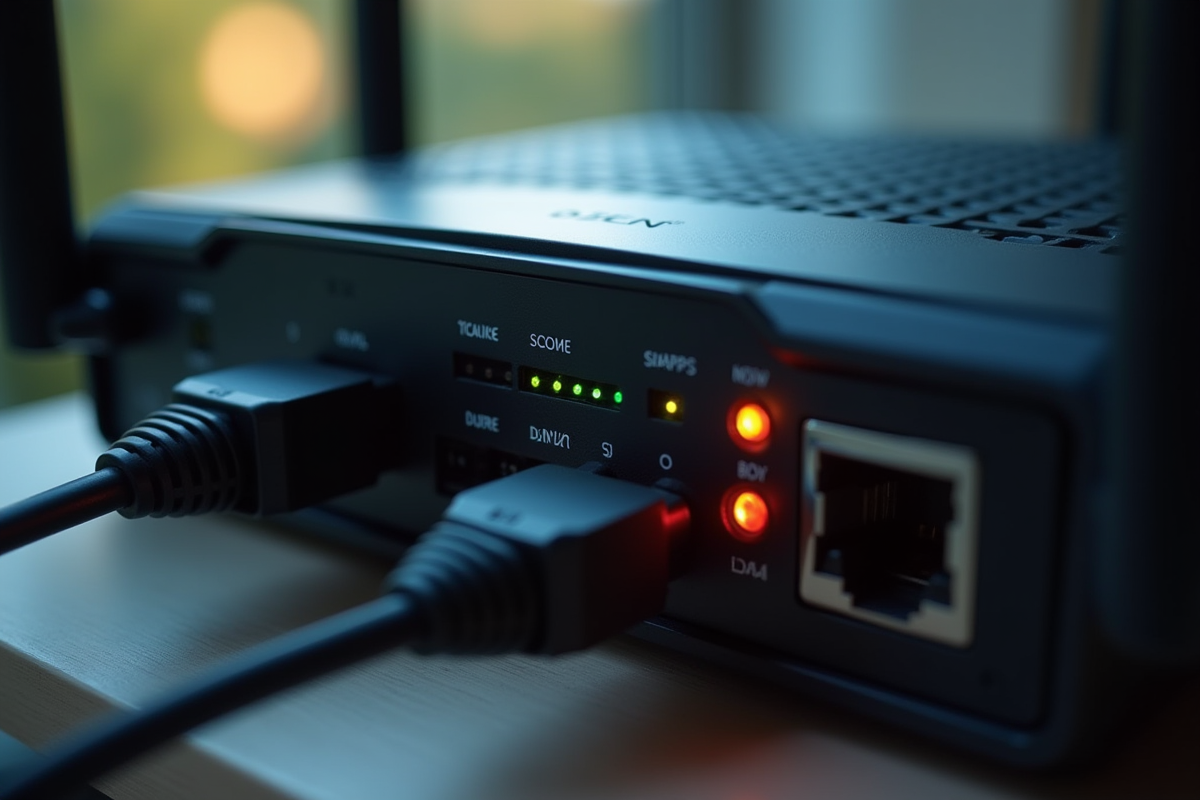
Essential settings and practical tips to enhance the stability of your home network
Setting up your modem is not just about ticking a few boxes in a hurry. To maintain a stable connection, every network parameter deserves attention from the start. Within the administration interface, accessible locally, you will find options that truly make a difference:
- IP address assignment, enabling DHCP (dynamic host configuration protocol), choosing the wifi mode, selecting the channel to use.
- A channel too crowded by neighbors leads to immediate congestion. Prefer the least used channels, considering the environment around your home.
Network security must remain a priority. Select WPA2 or WPA3 encryption, disable WPS, and never leave the original password of the wifi router. For sensitive equipment like a remote work computer or gaming console, connect them via cable. A wired network ensures a constant connection, safe from wireless fluctuations.
Here are some habits to adopt for a solid setup:
- Access the administration interface of your router/modem to check the list of connected devices and spot any potential intruders.
- If issues arise, use the network diagnostic tools provided in the interface: check for IP address conflicts, monitor the status of DHCP.
- To extend the signal, place a repeater in poorly served areas, without multiplying access points with random settings that weaken the whole.
Don’t neglect firmware updates for the modem. A device that no longer evolves becomes vulnerable and loses efficiency. Often, a few habits are enough to transform your network:
- Precise settings, regular monitoring, continuous adaptation of your home network.
At home, Wi-Fi stability is not left to chance. Every detail matters, every setting adds up. Taking the time to adjust, verify, and anticipate: that’s the real secret to saying goodbye to disconnections and rediscovering the pleasure of a connection that is always reliable.