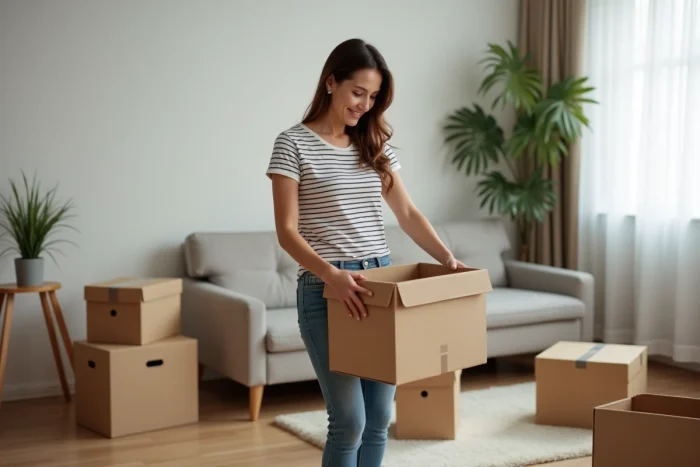
Whether they pile up in a corner of the living room or invade the stairwell, Ikea boxes rarely find a second life as structured as their first use. No magical return at the store, no preferred circuit: once the move is done, you have to deal with large volumes, sometimes cumbersome, especially in small Parisian apartments. Many end up poorly sorted, due to lack of better options, or hastily discarded on the sidewalk, risking a fine or a warning. Collection points and recycling centers filter based on the condition or size of the box, which complicates matters.
As for the idea of getting boxes for free from retailers, it often clashes with incompatible hours or limited quantities. On the municipal services side, flexibility is not on the agenda: outside of collection days, penalties can occur at the slightest infraction.
Moving boxes in Paris: how to choose and where to find them for free?
In Paris, as soon as the moving project becomes concrete, the question of boxes arises. Not a detail or an accessory, the choice of box determines the smooth running of the operation: sturdiness, size, practicality, everything matters. Ikea boxes, appreciated for their dimensions and strength, equip the majority of urban households. But once the transfer is complete, the question of their usefulness arises again, and it’s better to think about it before they completely clutter your new space.
For those looking to equip themselves at a lower cost, several alternatives should be considered. Parisian waste disposal sites, accessible with proof of residence, allow not only for dropping off but sometimes also for picking up still usable boxes. Recycling centers and resource recovery facilities, well-established in the capital, gladly accept moving boxes in good condition, giving them a new life. Neighborhood associations and donation platforms also play a valuable role: they collect and redistribute these packages to those in need, thus avoiding waste.
The city also offers initiatives like the Trimobile and occasional collections, which facilitate the disposal or redistribution of boxes. Some moving companies participate in this effort by buying back or taking used boxes to reintegrate them into their circuit, limit waste, and encourage recycling. To get rid of Ikea moving boxes without breaking the rules, prioritizing these reuse and recycling circuits aligns with a responsible approach, in line with the City of Paris’s desire to limit waste production and strengthen circular practices.
Saving space and protecting your belongings: tips for smart packing with Ikea boxes
Filling an Ikea box to its maximum capacity is a precise, almost methodical exercise. To save space, you first need to choose the right size: medium models hold books and papers without deforming, while large ones are intended for laundry, cushions, or dishes, provided they are not overloaded. Drawing inspiration from the Marie Kondo method proves beneficial: fold clothes into rectangles, align them vertically, and utilize the full height of the box rather than compressing them width-wise.
Fragile items require special attention. Stacking several layers, using bubble wrap, or better yet, recycling towels or linens as padding offers good protection. A well-prepared box protects glasses, plates, or small electronic devices from unpleasant surprises. Securely closing each box with sturdy tape avoids many mishaps during transport.
Here are some practical tips to optimize your packing:
- Use free spaces to wedge socks, dishcloths, or soft accessories between items
- Label each side of the box with its contents and the destination room to facilitate setup
- Always stack the heaviest boxes at the bottom and the lighter ones on top to ensure overall stability
The spirit of recycling also has its place: once the move is complete, transform these boxes into storage containers for the workshop, toys, or archives. Some even give them a dozen uses before they join the selective collection. Adopting these practices, inspired by Swedish decluttering (Döstadning), offers smart organization while limiting waste production.
What to do with your boxes after the move: practical solutions and responsible ideas
An Ikea box doesn’t stop being useful as soon as the furniture is set up. On the contrary, this sturdy container fits perfectly into a circular economy and more sustainable habits. Reusing these boxes to organize a space, store archives, or for DIY projects extends their use while avoiding unnecessary waste. Some use them to protect the floor during small jobs, while others cut them up for compost, proving that the potential of these boxes goes far beyond simple transport.
Solidarity also offers a concrete outlet: donating your boxes to an association or through a dedicated platform allows others, families, students, neighbors, to benefit from them in turn. This gesture promotes large-scale reuse, lightens the load on sorting centers, and fits into a sharing logic. Resource recovery and recycling centers regularly accept these boxes to give them new purposes, from distribution to transformation.
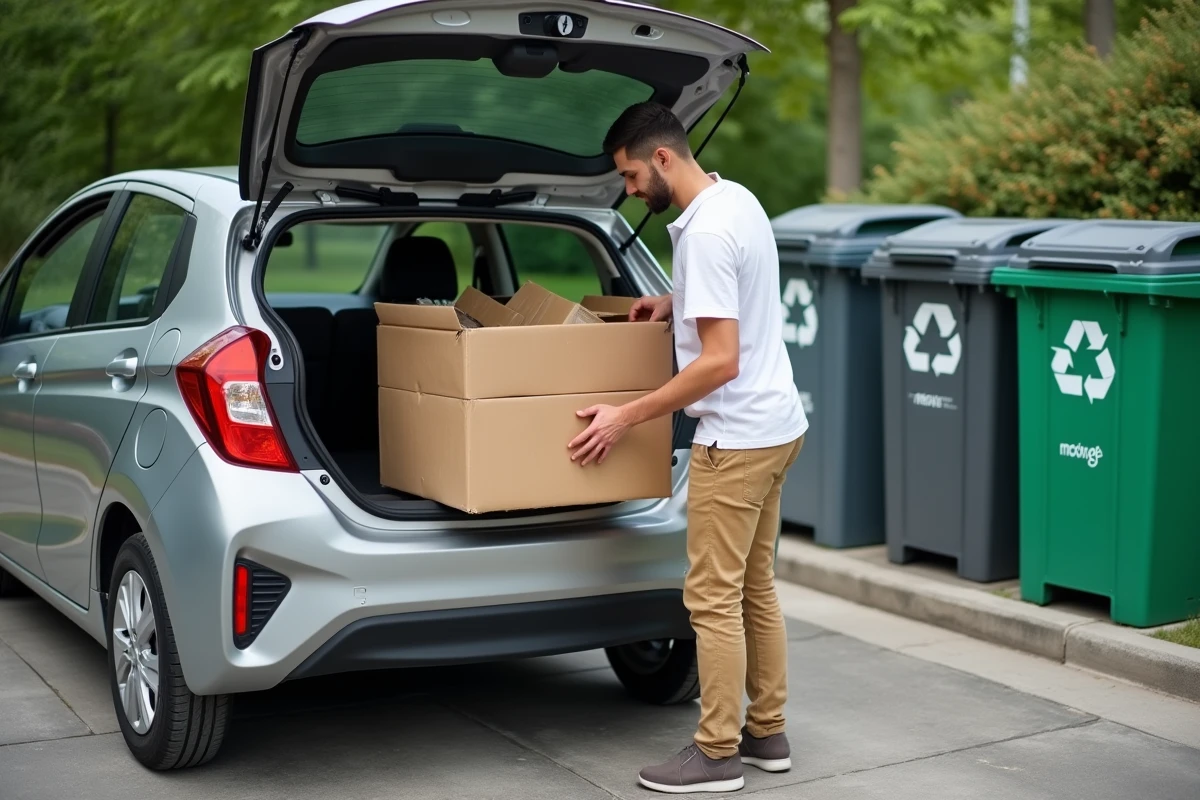
For those who wish to part with them quickly, municipal collection remains a reliable option. In Paris, fixed or mobile waste disposal sites, like the Trimobile, accept clean and empty boxes without excessive formalities. Some moving or clearance companies also offer buyback options, sometimes for a fee, depending on the condition of the packaging, thus extending their lifecycle.
If no other solution is viable, it’s time for recycling. Once sorted and compacted, the boxes begin a new life in the paper industry. This action helps preserve natural resources and limit environmental impact. Recycling, in this context, is not just about throwing away: it’s about closing the loop and turning yesterday’s cardboard into tomorrow’s raw material.