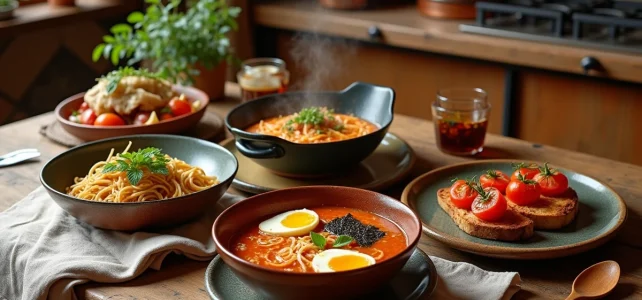
Rankings of favorite dishes around the world are similar: pizza, sushi, tacos, curry. However, global gastronomy is going through a phase where local culinary traditions are transforming under the influence of global street food, a return to primitive cooking methods, and a premium reinterpretation of popular recipes. Understanding these trends means grasping what is actually happening on plates, far beyond the usual rankings.
Korean Cuisine: A Global Spread That Goes Beyond a Fad
Bibimbap and kimchi appear in all rankings of favorite dishes worldwide, but their presence is no longer limited to specialized restaurants. In retail as well as in dining, Korean cuisine maintains a strong diffusion dynamic in retail and dining, including outside social media.
What sets this cuisine apart from other culinary waves (like the poke bowl boom a few years ago) is its grounding in staple ingredients: fermented chili paste, complex soy sauces, lacto-fermented vegetables. These ingredients are incorporated into everyday recipes, not just in specialized restaurants. Korean flavors can now be found in sandwiches, bowls, and cafeteria dishes, a sign that the appropriation goes well beyond a passing trend.
To explore the favorite dishes in the world on Monde Gourmandises, this persistence of Korean cuisine serves as a particularly telling case study.
Comfort Food and Culinary Nostalgia in a Gourmet Version
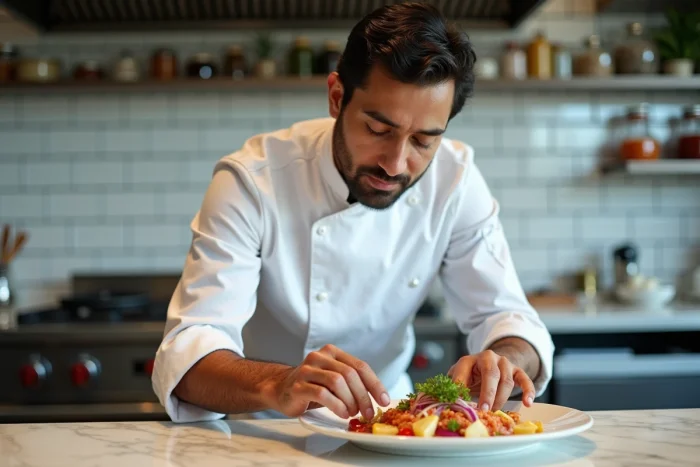
The Michelin Guide, in its analysis of gastronomic trends for 2025, identifies a clear movement: childhood dishes are returning to dining rooms, but in reworked and more expensive versions. Gratin dauphinois, mac and cheese, rice pudding, or roast chicken are no longer confined to family meals. They appear on semi-gastronomic restaurant menus, with sourced products and precise techniques.
This return of comfort food is not just a simple recycling. Chefs apply methods from haute cuisine (long cooking, reduced sauces, selected farm products) while maintaining the familiar appearance of the dish. The result blurs the line between popular cuisine and gourmet cuisine.
Field reports diverge on this point: some professionals see it as a lasting trend linked to a need for comfort post-pandemic, while others view it as just a culinary fashion cycle. What is measurable is the growing presence of these revisited dishes on the menus of starred restaurants and those recommended by the Michelin Guide across several countries.
Cooking Over Fire and Coals: The Visible Gesture as a Culinary Argument
Grilling meat over coals is nothing new. What has changed is the place that this technique now occupies in gourmet dining. Wood-fired cooking is progressing in semi-gastronomic and gourmet establishments, where it serves as a marker of authenticity and artisanal know-how.
Several factors explain this return. Flame cooking is spectacular and visible, which meets a growing demand for transparency in dining. It also allows for working with vegetables, fish, and meats with smoky flavors that are difficult to reproduce otherwise. It is no coincidence that very different cuisines (Japanese with robata, Argentine with asado, Mediterranean with open grilling) converge towards this same technique.
- The type of wood used (oak, beech, cherry, birch) directly modifies the aromatic profile of the dish, prompting some chefs to select their woods as they choose their spices.
- Cooking over coals imposes a slow rhythm, incompatible with fast service, which reserves it for dining formats where table time is longer.
- Dedicated equipment (open hearths, integrated wood ovens) represents a significant investment, which naturally filters the establishments capable of offering this approach.
International Street Food: Street Dishes That Structure Fast Food Offerings
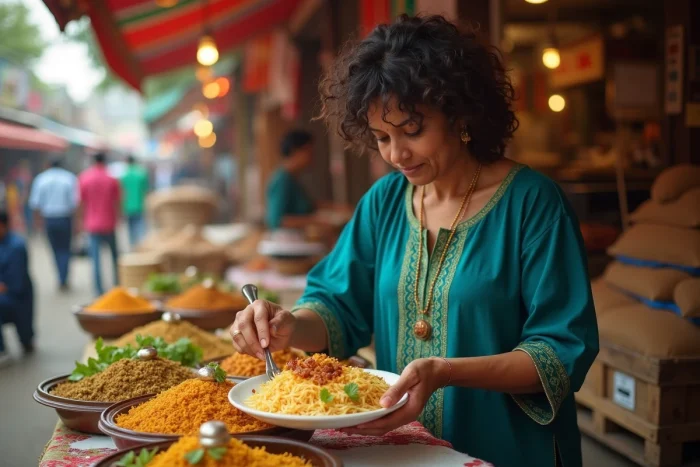
Street food is no longer a niche phenomenon reserved for night markets in Bangkok or taco stands in Mexico. According to Griffith Foods, international street formats now serve as a platform for innovation in North American and European fast food. Vietnamese banh mi, Venezuelan arepas, Chinese jianbing: these recipes are moving from the sidewalk to the counters of restaurant chains.
This transfer raises a concrete issue: when a street dish enters standardized dining, what remains of its regional specificity? The answer varies depending on the dishes. Some retain their identity thanks to specific ingredients (the hoisin sauce of banh mi, the masa of tacos), while others dilute into versions adapted to local palates.
- The banh mi has retained its structure (baguette, pickles, protein, cilantro) even in its European versions, making it a relatively faithful transfer case.
- Tacos, on the other hand, have undergone profound transformations depending on the markets, even leading to versions without corn tortillas, raising questions about the limits of adaptation.
- Jianbing (stuffed Chinese pancakes) are beginning to appear in food halls in major cities, with a format that remains close to the original.
Plant-Based and Sugar Reduction: Two Axes Redrawing Menus
The rise of plant-based options in dining is no longer a prediction; it is a fact documented by the Michelin Guide. A new generation of chefs is elevating vegetarian cuisine to a gourmet level, with seasonal dishes that are no longer just repurposed side dishes. Meatless and dairy-free menus are gaining in technical complexity and presence on menus.
At the same time, the reduction of sugar and the abandonment of activated charcoal (long used as a trendy black coloring) mark a shift towards cleaner flavors. Food and drink pairings are also evolving: “soft-pairing,” which pairs dishes with crafted non-alcoholic beverages, is gaining ground in gourmet restaurants.
These two axes are not isolated fashion effects. They respond to health and environmental concerns that are permanently altering demand. The open question remains about profitability: a gourmet plant-based menu requires as much work as a classic menu, sometimes more, for a price that customers do not always accept to pay at the same level.
The global tour of favorite dishes is not just a fixed inventory of national recipes. The lines are shifting due to technical transfers (coals, fermentation), culinary migrations (globalized street food), and consumer choices (plant-based, premium comfort food). What is happening on plates in 2025-2026 tells as much about the state of the world as any economic indicator.